We live in Washington. You don't need us to tell you how to drive in the rain. You’re a pro – we know this. That’s why, instead of giving you the standard "replace your wipers and turn on your headlights" list, we’re sharing some lesser-known tips that can help improve your rainy season driving (and make you look smarter to your friends) 😉
1. Your Tires Matter More Than Almost Anything Else
On dry pavement, even a fairly worn tire may still feel completely normal.
Add standing water, and things change.
Your tire tread isn't just there for traction. Those grooves also give water somewhere to go as the tire rolls across the pavement. As tread gets shallower, the tire becomes less effective at moving that water out of the way.
That's why a tire can technically still have tread remaining but perform very differently on a wet freeway.
Our advice: Don't just ask whether your tires are "good." Ask how much tread is actually left and whether the wear is even across the tire. We typically recommend replacing tires once they get below 4/32”
2. That First Rain After a Dry Stretch Is Different
Here's a tip that's worth remembering:
During dry weather, oil, rubber, dust and other residue accumulate on the road. When the first rain arrives, water mixes with that buildup before it has had a chance to wash away.
The result can be an unusually slick road surface.
So if we haven't had rain in a while, give yourself a little more room during that first wet commute.
3. Don't Ignore the Inside of Your Windshield
Here's an underrated rainy-season problem: the windshield fogging up from the inside.
Your defroster uses the vehicle's heating and air-conditioning systems to help remove moisture from the air. If your A/C isn't functioning properly, you may notice that the windshield takes much longer to defog.
A dirty cabin air filter can also reduce airflow.
And one very low-tech trick helps more than you'd expect: clean the inside of your windshield. The film that gradually builds up on the glass gives condensation more to cling to.
4. Check the Places Water Is Supposed to Go
Cars are designed to deal with rain—but that water has to drain somewhere.
Sunroof drains, cowl drains and other drainage passages can become clogged with leaves, pine needles and debris. If water can't follow its intended path, you may eventually discover it somewhere it wasn't intended to go – like the carpet.
Take a few minutes to check the cowl drains (under the exterior of the windshield) and sunroof drains to make sure they aren’t clogged. Wet carpet, a musty smell or unexplained moisture inside the vehicle definitely deserves some more investigation.
5. Wipers Matter—but So Does the Windshield
Yes, good wiper blades matter.
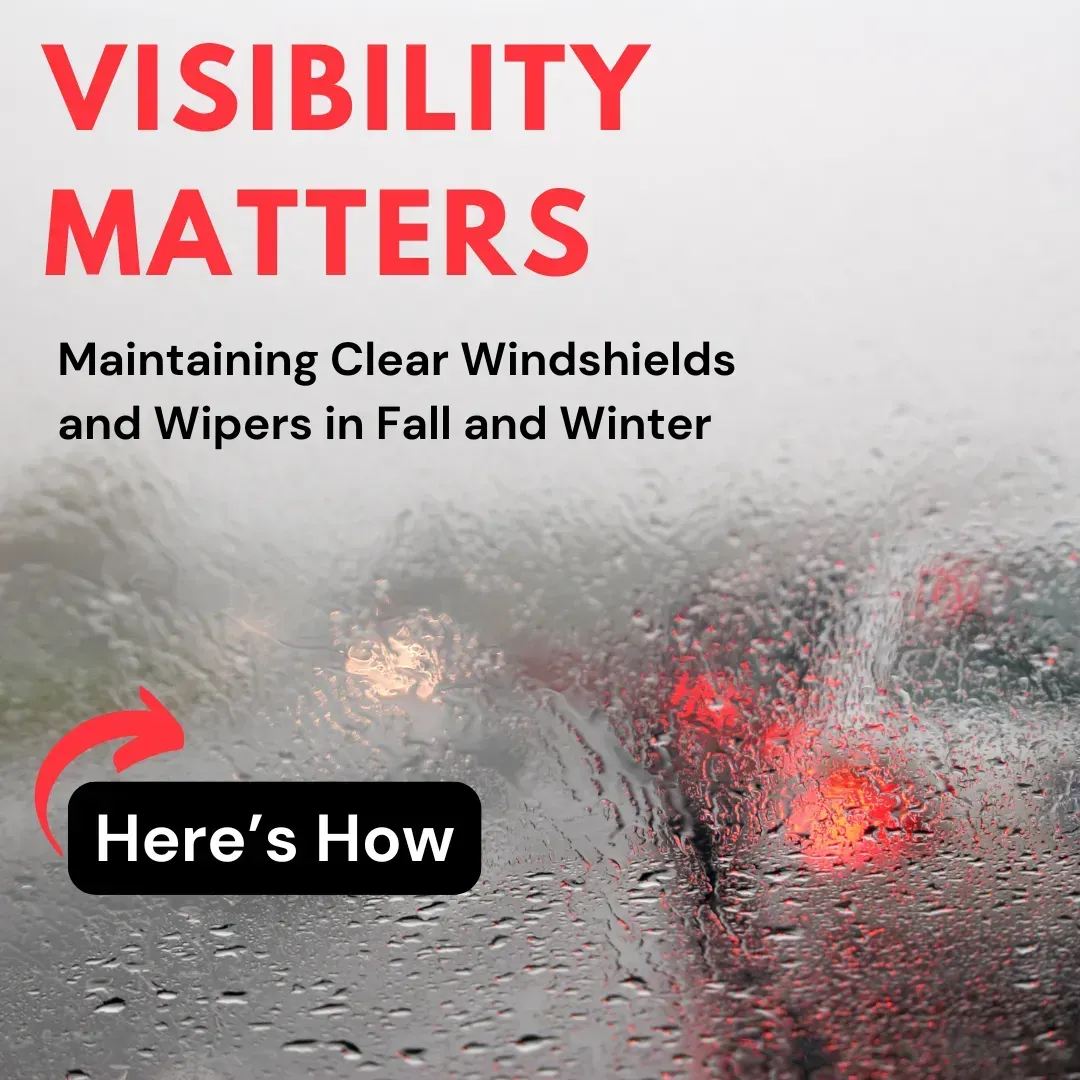
But if you've replaced your blades and you're still getting streaking, glare or poor visibility at night, the blades may not be the whole problem.
Road film can build up on the outside of the windshield and make it harder to see clearly, especially when headlights reflect off a wet surface.
Give the glass a thorough cleaning inside and out before assuming you need another set of wipers.
6. Take a Look at Your Lights
This isn't just about whether the headlights turn on. It’s about whether they’re as bright as they should be, and if other cars can see you.
Walk around the car and look at the actual lenses.
Cloudy headlight lenses can reduce useful light output, and burned-out brake or marker lights make it harder for other drivers to see you through rain and road spray. Cloudy headlight lenses are usually a pretty simple fix – we have a service that can get them nice and clean again without having to replace the whole assembly.
The Bottom Line
Getting your car ready for Washington's rainy season doesn't require a giant maintenance checklist.
Focus on the things that actually help you see, stop and maintain traction:
Good tires.
Clear glass.
Working lights.
Good airflow.
Around here, your car is going to spend a good portion of the next several months wet. A little attention now helps make all those dark, rainy drives a lot less eventful.
And when it comes to driving in November… "uneventful" is a pretty good goal.